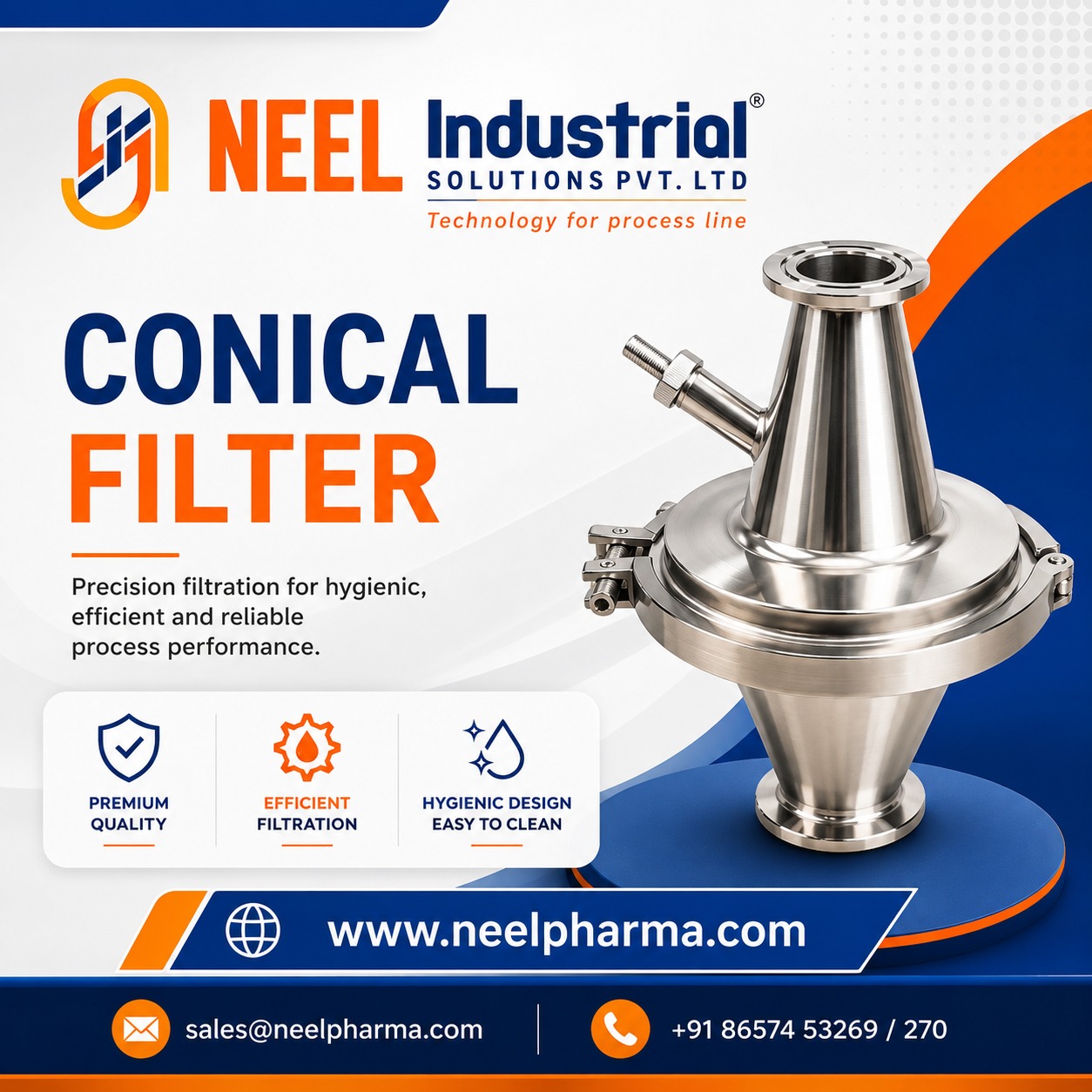
Conical Filter: The Ideal Choice for Efficient Industrial Filtration


Conical Filter

In many industrial processes, effective filtration is not just an accessory — it’s a necessity. Whether you’re working in food processing, pharmaceuticals, chemicals, or water treatment, having the right filtration equipment can dramatically improve product quality and process reliability. One such dependable solution is the conical filter, designed to combine durability with superior performance.

A conical filter gets its name from the cone-shaped design of its housing, which offers several functional advantages over straight cylindrical filters. This unique shape promotes efficient flow distribution and assists in settling suspended particles for faster and cleaner filtration outcomes.

What Makes the Conical Filter Stand Out?

The main goal of any industrial filter is to remove unwanted solids while allowing the clean liquid to pass through smoothly. The conical filter excels at this with a combination of thoughtful engineering and robust construction:

✔ Efficient Filtration Geometry
The cone shape helps solids settle at the wider bottom section, preventing clogging and making maintenance easier. This design also ensures fluid doesn’t remain stagnant inside the housing.

✔ High-Quality Stainless Steel Construction
Made from premium stainless steel, this filter resists corrosion, tolerates high pressures, and performs well under demanding industrial conditions. Its smooth interior surface minimizes build-up and supports easy cleaning.

✔ Versatile Connection Options
Whether your system uses tri-clamp, flanged, or threaded connections, the conical filter is configurable to integrate seamlessly into existing pipelines.

✔ Easy to Maintain
With a structure that allows quick access to filter media and internals, the conical filter simplifies routine maintenance and reduces downtime.

How a Conical Filter Works
A conical filter operates by guiding the incoming fluid through a series of filter media arranged inside the cone-shaped housing. As the fluid moves downward, particles larger than the filter’s pore size are captured on the media surface, while the clarified liquid exits through the outlet port.

Because of the cone’s geometry, solids tend to settle toward the bottom, making it easier to collect and remove debris during cleaning or media replacement. This mechanism supports improved overall filtration efficiency compared to flat or straight housings.

Where Conical Filters Are Used
The adaptability of the conical filter makes it suitable across many industries:

✔ Pharmaceuticals
In pharmaceutical production, where product purity is critical, a reliable conical filter helps remove contaminants from solutions and ensures consistency in every batch.

✔ Food and Beverage
From syrups to juices and edible oils, the conical filter aids in clarifying liquids while maintaining sanitary standards.

✔ Water Treatment
When treating process water or wastewater, this filter helps reduce suspended solids and improve downstream performance of other equipment.

✔ Chemical Processing
RIn chemical plants, accurate filtration protects pumps, valves, and other sensitive equipment by capturing abrasive or corrosive particles.

Benefits of Adding a Conical Filter to Your System

Installing a conical filter brings several advantages to your process:

  • • Improved Product Quality: Effective removal of solids results in clearer, cleaner outputs.
  • • Reduced Clogging: The cone shape prevents excessive sediment pile-up.
  • • Maintenance Time: Easy access and simple media changeouts save labor hours.
  • • Long-Term Durability: Built to withstand heavy industrial use without frequent replacement.

All of these contribute to smoother operations and often lead to cost savings over time.

Choosing the Right Conical Filter

Here are some products you might consider:When selecting a conical filter for your application, keep these key points in mind:

Filter Material Choose food-grade or chemical-resistant stainless steel based on the fluid you’re processing.

Pore Size / Micron Rating The particle size you aim to remove will determine the ideal filter element and micron rating.

Connection Type Match the filter’s inlet and outlet ports to the piping in your system for seamless connection.

Cleaning Requirements

If frequent cleanings are expected, look for designs that allow quick access and easy disassembly.

By selecting the right specifications, you’ll ensure your conical filter continues performing reliably year after year.

Final Thoughts

A conical filter is a robust, efficient, and adaptable filtration solution for modern industrial needs. Its thoughtfully engineered shape and durable construction offer clear benefits in performance, maintenance, and long-term operation. Whether you’re aiming for higher product quality, reduced downtime, or smoother process flow, this filter type is worth considering as part of your filtration strategy.

Blog 4Here’s a 100% original, professionally written blog for your product Electrical Vent Filter, crafted from scratch with clear, engaging content and naturally using the term “electrical vent filter” at about ~1% density.

Electrical Vent Filter: Essential Protection for Sensitive Equipment

In every industrial and commercial setting that uses electrical enclosures, control panels, or cabinets, proper ventilation is critical. While vents allow heat and airflow, they can also let in dust, moisture, insects, and other contaminants that can damage sensitive components. This is where an electrical vent filter plays a vital role — offering protection while still enabling effective airflow.

An electrical vent filter helps maintain optimal operating conditions inside enclosed electrical systems by cleaning the incoming air. By keeping contaminants out, it extends equipment life, enhances reliability, and reduces maintenance costs.

What Is an Electrical Vent Filter and How Does It Work?

An electrical vent filter is a specialized airflow accessory designed for vents used in cabinets, switchboards, enclosures, and other electrical housings. It typically consists of a metal frame and a high-efficiency filter medium that traps particles as air enters or exits the enclosure.

Here’s how it works in simple terms:

1. Airflow Enters the Vent: Hot air created by electrical components needs to escape, and cool air must enter to balance temperatures.

2. Filter Traps Contaminants: As air passes through the electrical vent filter, dust, fibers, and other airborne particulates are caught by the filter media.

3. Clean Air Reaches the Interior: Only filtered air enters the enclosure, protecting sensitive circuits, boards, and devices from contamination.

This prevents buildup of dirt inside, which could lead to overheating, shorts, corrosion, or premature failure.

Key Benefits of Using an Electrical Vent Filter

Enhanced Equipment Protection

By filtering out dust and other particles, the electrical vent filter prevents buildup that can degrade insulation, clog cooling elements, or short-circuit connections.

Reduced Maintenance Needs

Clean interiors mean fewer breakdowns and less frequent manual cleaning of enclosures — saving time and maintenance costs.

Improved Heat Management

Proper ventilation keeps internal temperatures stable. Filtering incoming air means that cooling doesn’t come at the expense of contamination.

Reliable Long-Term Performance

Industrial environments are rarely clean. The electrical vent filter helps electrical systems perform consistently, even in dusty or harsh conditions.

Pest Prevention

Some vent filters also block entry for small insects and rodents, protecting internal wiring and components.

Typical Applications for Electrical Vent Filters

An electrical vent filter is valuable anywhere electrical equipment operates and needs both ventilation and protection. Common applications include:

Industrial Automation Panels

Motors, PLCs, and drives generate heat and are sensitive to dust — making filtered ventilation essential.

Control Cabinets and Junction Boxes

Ensures long-term reliability of controls and switches by keeping them dust-free.

Outdoor Electrical Enclosures

Outdoor units face additional environmental challenges like humidity, dirt, and debris — an electrical vent filter makes them more robust.

Data Centers & IT Racks

Even fine dust can harm sensitive network equipment; filtration helps maintain clean, cool airflow.

Power Distribution Units

Keep transformers, breakers, and contactors working efficiently without internal clogging or heat buildup.

Choosing the Right Electrical Vent Filter

When selecting an electrical vent filter, consider:

Size and Fit

Choose a filter that matches the vent opening to ensure proper sealing and airflow balance.

Filter Efficiency

Different medias capture different particle sizes. Higher efficiency is better for very dusty environments, while moderate efficiency works well in cleaner areas.

Material Durability

Metal housings and corrosion-resistant frames ensure long service life, especially in industrial settings.

Thermal Performance

Make sure the filter supports necessary airflow rates so that ventilation isn’t restricted, which could lead to overheating.

Installation and Maintenance Tips

Installing an electrical vent filter is usually straightforward — it replaces or fits over existing vent openings with screws or clips. However, proper placement and sealing are important to ensure that all air passes through the filter media.

Maintenance best practices include:

  • Periodic Inspection: Check the filter periodically for clogging or damage.
  • Timely Replacement: Replace the filter media according to environmental conditions — more often in dusty settings.
  • Clean Surroundings: Maintain cleanliness around vents to reduce load on the filter.

These steps help maximize performance and protect critical electrical systems.

Conclusion

An electrical vent filter is a simple yet effective addition to any vented electrical enclosure. It protects equipment, improves operational reliability, and extends service life by filtering out contaminants while maintaining proper airflow. Whether you’re managing industrial panels, outdoor cabinets, or sensitive IT enclosures, installing the right electrical vent filter can help safeguard your technology investment and ensure smooth, uninterrupted performance.


For more details visit our website: https://neelpharma.com
Need Any Help? +91 9833788014
Email us: sales@neelpharma.com